The Future of Smart Bins & Intelligent Industrial Logistics Platforms
As factories accelerate their shift toward digitalization and automation, Smart Bins are becoming more than just intelligent storage units. They are transforming into data-driven nodes that enable real-time inventory visibility, autonomous replenishment, and seamless connection to the digital supply chain. The future of industrial logistics will rely on Smart Bins not as standalone devices, but as part of a fully integrated intelligent logistics platform.
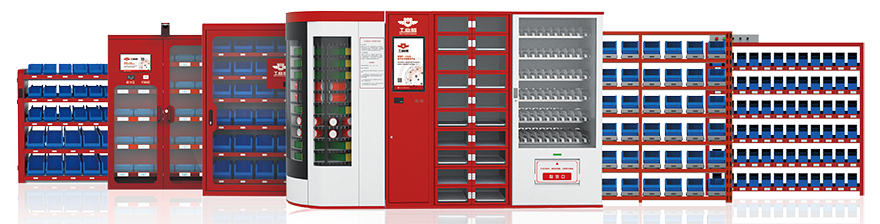
From Smart Bin to Smart Network: The Evolution of Material Management
The first generation of Smart Bins focused on controlled access, recording withdrawals, and preventing stockouts. Today, next-generation Smart Bins—like the NVMI series from Bear Bit Technology (Nanjing) Co., Ltd—are developing into a connected network that forms the backbone of digital logistics. This evolution includes:
- Multi-site connectivity across entire factories or global facilities
- Cloud-based inventory synchronization for real-time visibility
- Integration with ERP, MES, WMS, and supplier systems
- Data analytics to identify patterns and optimize material flow
- Autonomous replenishment workflows that remove manual tasks
Smart Bins are no longer isolated replacements for storage cabinets—they are becoming autonomous nodes within an Industry 4.0 ecosystem.
Building an Intelligent Logistics Platform Around Smart Bins
The future of industrial logistics will be built on platforms rather than individual devices. Smart Bins act as the operational layer of such a platform, enabling the following capabilities:
- End-to-end material visibility from supplier to point-of-use
- Dynamic material allocation based on real-time consumption
- Automated replenishment cycles with predictive planning
- Traceability for compliance in regulated industries
- Workflow-level decision-making supported by analytics
This integrated platform creates a closed-loop logistics cycle where Smart Bins support procurement, production, quality, maintenance, and warehouse operations simultaneously.
AI-driven Material Forecasting and Optimization
Future Smart Bins will leverage artificial intelligence to analyze usage trends, detect anomalies, and forecast demand. Key AI-driven capabilities include:
- Predictive material replenishment based on consumption patterns
- Usage anomaly detection for waste or misuse
- Automated safety stock calculations that adapt to seasonality
- Cross-line optimization to balance inventory across departments
AI will reduce human intervention, cut inventory costs, and prevent production delays caused by unplanned material shortages.
Robotic Integration for Autonomous Material Movement
With AGVs (Automated Guided Vehicles), AMRs (Autonomous Mobile Robots), and collaborative robots becoming common in modern factories, Smart Bins will increasingly interact with these autonomous systems:
- AGVs moving Smart Bins between warehouse and production
- Robots performing automated picking from Smart Bin compartments
- Mobile Smart Bins coordinating with AMRs for “lights-out logistics”
- Full autonomous replenishment routes generated dynamically
The combination of Smart Bins + AMRs creates a fully automated material supply chain with no manual handling.
The Digital Thread: Connecting Data Across the Entire Factory
Future Smart Bin systems will not only manage inventory—they will enrich the digital thread that connects production, quality, maintenance, and logistics. Smart Bins will contribute:
- Consumption data for MES to support real-time production control
- Material traceability for QMS during audits and inspections
- MRO usage data for maintenance systems to support preventive planning
- Procurement insights for ERP to optimize vendor performance
This end-to-end digital thread is essential for factories pursuing higher automation maturity levels.
Scalable Deployment for Global Manufacturing Networks
The future logistics platform must scale across multiple plants, warehouses, and regions. Smart Bin networks support:
- Centralized cloud management across global locations
- Localized configuration to support each plant’s workflow
- Cross-site analytics to compare usage and performance
- Rapid onboarding for new Smart Bin units or new facilities
This scalability makes Smart Bins suitable for multinational manufacturers building digital logistics networks.
Conclusion
Smart Bins are evolving from intelligent storage units into core components of intelligent logistics platforms. With AI, robotics integration, real-time data connectivity, and cloud-based management, Smart Bins will become the central infrastructure supporting autonomous industrial logistics. As factories aim for end-to-end digital supply chains, Smart Bins will play a critical role in building a future where inventory moves automatically, materials arrive exactly when needed, and production operates with full transparency.