MRO inventory pain points are the hidden cost drivers in modern manufacturing
MRO inventory pain points are one of the most underestimated challenges in manufacturing and industrial operations. From inaccurate stock data to uncontrolled material usage, these issues directly impact production continuity, cost control, and operational efficiency. Many factories still rely on manual processes or disconnected systems, which leads to inefficiencies that accumulate over time.
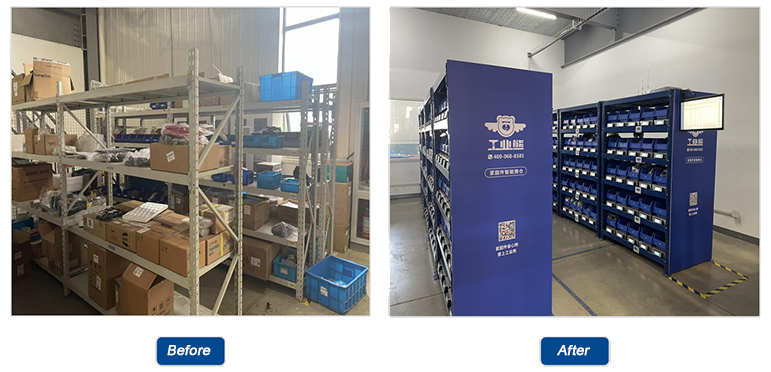
In real-world industrial environments, common challenges include inconsistent inventory records, time-consuming stocktaking, and a lack of traceability. According to industry practices outlined in intelligent logistics systems , these problems are not isolated—they are systemic and often rooted in outdated material management methods.
Manual inventory management leads to data inaccuracy
One of the most critical pain points is the reliance on manual inventory tracking. Warehouse staff often record stock movements on paper or input them into ERP systems later, leading to time delays and human errors. This creates discrepancies between physical inventory and system data.
For procurement and production teams, inaccurate data means poor decision-making. Overstocking ties up capital, while understocking risks production downtime. Without real-time visibility, businesses operate reactively instead of proactively.
Lack of traceability creates management blind spots
Traditional storage systems do not provide clear records of who took what, when, and in what quantity. This lack of accountability leads to material misuse, unrecorded withdrawals, and even internal losses.
In high-frequency environments such as production lines or maintenance workshops, this issue becomes more severe. Without traceability, it is nearly impossible to identify inefficiencies or enforce standardized processes.
MRO inventory pain points increase operational risks
MRO inventory pain points directly affect production stability. When stock records are unreliable, companies face frequent material shortages or emergency purchases. These disruptions not only increase costs but also affect production schedules and customer delivery commitments.
Additionally, managing thousands of low-value but critical items manually increases the risk of oversight. Missing a small component can halt an entire production line, making inventory control a strategic priority rather than just a warehouse function.
Disorganized storage reduces efficiency
Another major issue is messy and poorly structured storage. Fixed storage locations are often not strictly followed, leading to time wasted searching for materials. Workers may spend significant time locating items instead of focusing on value-added tasks.
This inefficiency becomes more pronounced in large factories or multi-location warehouses, where lack of standardization creates confusion and delays.
How smart cabinet solutions address these challenges
To overcome these challenges, more enterprises are adopting smart cabinet systems as part of their digital inventory strategy. Solutions like NVMI integrate hardware and software to create a fully automated and intelligent material management system.
Smart cabinets use technologies such as IoT sensors, gravity sensing, and cloud-based platforms to enable real-time inventory tracking. Every material movement is automatically recorded, eliminating manual input and ensuring data accuracy.
Real-time visibility and automated replenishment
With smart cabinet systems, inventory levels are updated instantly. When stock falls below predefined thresholds, the system generates automatic replenishment alerts. This ensures that critical materials are always available without excessive overstocking.
This shift from reactive to proactive inventory management significantly reduces both shortage risks and inventory carrying costs.
Controlled access and full traceability
Smart cabinets provide controlled dispensing through user authentication methods such as RFID, QR codes, or biometric identification. Every transaction is logged, creating a complete audit trail.
This level of traceability helps companies enforce accountability, reduce misuse, and gain valuable insights into material consumption patterns.
Improved efficiency and labor cost reduction
Automation eliminates repetitive tasks such as manual counting, recording, and searching for items. Workers can retrieve materials quickly through guided picking systems, improving productivity on the shop floor.
In addition, 24/7 self-service access reduces dependency on warehouse staff, lowering labor costs while maintaining operational flexibility.
Enabling digital transformation in industrial inventory
Smart cabinet solutions are not just tools—they are enablers of digital transformation. By integrating inventory data with production and supply chain systems, companies gain a comprehensive view of material flow.
This data-driven approach allows managers to optimize inventory strategies, improve forecasting accuracy, and enhance overall supply chain performance.
Conclusion
MRO inventory pain points are deeply embedded in traditional material management practices, but they are not unavoidable. By adopting intelligent solutions such as smart cabinets, companies can eliminate inefficiencies, improve control, and achieve real-time visibility.
For manufacturers aiming to stay competitive in a fast-paced industrial environment, upgrading to a digital inventory system is no longer optional—it is a strategic necessity.