Smart Bin FAQs: Key Questions Buyers Ask About Industrial Fastener Management
Smart Bin systems are increasingly adopted by manufacturers, maintenance teams, and industrial buyers seeking better control over fastener inventory. While the benefits of smart cabinets are widely discussed, customers often have practical questions before implementation. This article addresses the most common buyer concerns surrounding Smart Bin solutions and explains how intelligent fastener management delivers measurable operational value. As a solution provider, IIIBEAR Fastener supports customers throughout evaluation, deployment, and long-term optimization.
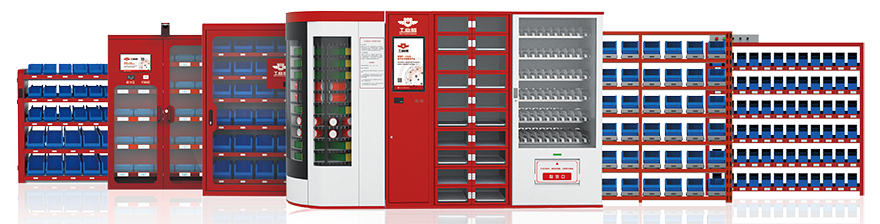
What Problems Does a Smart Bin Actually Solve?
Buyers typically consider Smart Bin systems to address recurring challenges such as uncontrolled fastener consumption, frequent stockouts, overstocking, and lack of inventory visibility. Traditional manual storage relies heavily on experience and paper records, which often leads to inaccurate data and emergency purchasing. Smart Bin technology automates item tracking, ensuring every withdrawal is recorded and inventory levels remain transparent in real time.
By eliminating guesswork, Smart Bins reduce downtime caused by missing fasteners and prevent excess capital from being tied up in slow-moving stock.
How Does a Smart Bin Track Usage Accurately?
Modern Smart Bin systems use a combination of RFID, weight sensors, barcode scanning, and user authentication to capture accurate usage data. Each transaction is associated with a user, project, or cost center, allowing management teams to analyze consumption patterns across departments. This level of traceability is especially valuable for fasteners, where small items are used in large volumes and manual counting is inefficient.
Accurate data enables forecasting, prevents unauthorized access, and supports continuous improvement in inventory planning.
Is a Smart Bin Suitable for Both High-Volume and Low-Volume Fasteners?
One of the most common buyer questions is whether Smart Bins are flexible enough to handle different fastener categories. The answer is yes. Smart Bins are designed to manage both high-turnover standard fasteners and low-volume, high-value items such as special bolts or coated studs. Configurable bin sizes, access permissions, and replenishment rules allow the system to adapt to diverse inventory profiles.
This flexibility makes Smart Bin solutions suitable for production lines, maintenance rooms, tool cribs, and centralized warehouses.
How Does a Smart Bin Reduce Overall Inventory Cost?
Cost reduction is a key driver for Smart Bin adoption. By providing real-time stock levels and consumption trends, Smart Bins eliminate over-ordering and reduce emergency purchases at premium prices. Automated replenishment ensures stock is refilled only when necessary, aligning inventory levels with actual demand.
Additionally, Smart Bins help identify abnormal usage, process inefficiencies, and potential waste, enabling corrective action before costs escalate.
Can a Smart Bin Integrate with Existing ERP or Procurement Systems?
Buyers frequently ask about system compatibility. Most Smart Bin platforms are designed with open interfaces that support integration with ERP, MRP, and procurement systems. This allows inventory data to flow seamlessly into purchasing workflows, approval processes, and financial reporting.
System integration ensures that Smart Bin data is not isolated, but becomes part of a broader digital supply chain strategy.
Is Implementation Complex or Disruptive?
Another concern is deployment complexity. In practice, Smart Bin implementation is typically modular and scalable. Cabinets can be installed gradually without disrupting daily operations. User training is straightforward, and interfaces are designed for intuitive use.
Most customers experience rapid adoption because Smart Bins simplify daily work rather than adding extra steps.
What Long-Term Value Does a Smart Bin Provide?
Beyond immediate inventory control, Smart Bin systems create long-term value through data-driven decision making. Historical usage data supports supplier negotiations, standardization of fasteners, and continuous process optimization. Over time, organizations gain better control over indirect materials and reduce operational uncertainty.
For companies aiming to improve efficiency, accountability, and transparency, Smart Bins are not just storage tools but strategic assets.
Why Buyers Choose Smart Bin Solutions for Fastener Management
Smart Bin technology addresses the real-world concerns buyers face when managing industrial fasteners. From cost control and availability to traceability and integration, Smart Bins offer a practical and scalable solution. With the right implementation partner, companies can transform fastener management from a reactive task into a controlled, data-driven process.