Smart Fastener Cabinets: What Problems Do They Solve and How Do You Choose the Right One?
smart fastener vending machine solutions are becoming a standard upgrade for factories that struggle with stockouts, uncontrolled consumption, and time wasted searching for small parts. If your plant uses thousands of screws, bolts, nuts, washers, pins, or rivets every week, a smart cabinet can turn fastener management from a “hidden cost” into a measurable process. This article answers the most common questions buyers ask—what problems a smart cabinet actually solves, what features matter, and how to evaluate ROI for your specific production environment.
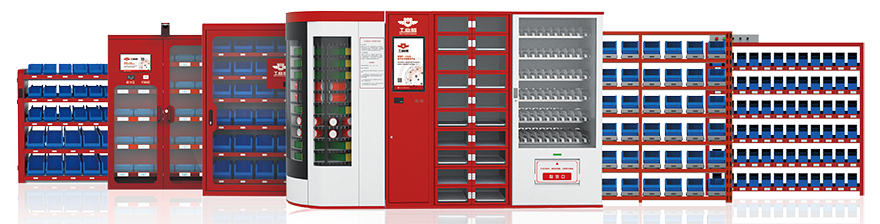
What Is a Smart Cabinet for Fasteners?
A smart cabinet is a secure, point-of-use storage system that combines controlled dispensing with digital tracking. Depending on the configuration, it can dispense items by drawer, bin, coil, or compartment, and it records who took what, when, and how much. Many teams find smart cabinets by searching for terms like “industrial vending machine,” “fastener vending machine,” “smart inventory cabinet,” or “point of use inventory.” The goal is the same: keep the right fasteners available on the line while reducing waste and manual counting.
Which Fastener Problems Does a Smart Cabinet Fix?
Fasteners are low-cost per piece but high-impact operationally. A missing M6 screw can stop an assembly station just as effectively as a missing motor. The most common problems a smart cabinet addresses include:
- Stockouts and line stoppages: Real-time inventory visibility reduces the risk of running out during peak shifts.
- Uncontrolled usage: When items are open-access, consumption often rises quietly due to over-picking, loss, or non-production use.
- Excess inventory: Without accurate usage data, purchasing teams inflate safety stock “just in case.”
- Time waste: Operators walking to a central store room repeatedly creates hidden labor costs.
- Traceability gaps: For regulated industries, tracking by user, batch, or location can be essential.
These are the same pain points behind popular searches such as “reduce MRO inventory cost,” “fastener consumption tracking,” and “factory vending machine system.”
Smart Fastener Vending Machine ROI: Where the Savings Come From
ROI usually comes from multiple small improvements that add up fast. First, avoiding stockouts reduces downtime. Second, controlled dispensing reduces overuse. Third, automated replenishment reduces labor spent on cycle counting and emergency purchasing.
Many factories discover that fasteners behave like “silent spend”: no one notices small daily losses, but the total is significant over a year. A smart cabinet makes usage measurable. Once you see consumption by line, by shift, and by user, you can standardize picks, reduce scrap, and forecast demand more accurately.
Key Features to Look For in a Fastener Smart Cabinet
Not all smart cabinets are equal. When evaluating options, focus on features that match your workflow:
- Access control: Badge, PIN, or biometric access to assign accountability.
- Transaction tracking: Logs item, quantity, user, time, and location.
- Replenishment logic: Min/max levels, reorder triggers, and alerts to prevent stockouts.
- Flexible storage: Adjustable bins and drawers for mixed SKUs (from small screws to larger bolts).
- Integration capability: Export to ERP/MRP systems or connect via API for automated purchasing workflows.
- Reporting dashboards: Usage trends, top-consuming SKUs, and exception reports for abnormal picks.
Buyers often search “smart cabinet inventory management” or “vending machine for PPE and MRO” because modern systems can manage more than fasteners—gloves, abrasives, cutting tools, and safety items—using the same platform.
How to Choose the Right Cabinet Type for Your Factory
Start with your part profile and consumption pattern. High-volume, small items (like common screws and washers) benefit from configurations that support frequent picks with minimal waiting. Mixed SKUs and engineering-change-heavy environments benefit from flexible bins and fast reconfiguration.
Also consider location strategy. A single cabinet in the warehouse may still create walking time. Placing cabinets near each production cell (or at least near high-consumption lines) is often the fastest path to measurable savings. This is why “point of use inventory system” is a top search phrase—placement is a major success factor.
Implementation Questions People Forget to Ask
Even a great cabinet can underperform without the right setup. Before deployment, confirm:
- SKU rationalization: Are you stocking 20 similar screws that could be standardized into 5?
- Unit of issue: Will operators pick by piece, by pack, or by kit?
- Reorder ownership: Who receives alerts and who approves replenishment?
- Cycle count policy: Will the system replace manual counting or be used to verify it?
- Data discipline: How will you handle returns, scrap, and engineering changes?
These details matter because the cabinet is not just storage—it is a process. Once configured correctly, it becomes a continuous improvement tool for purchasing, production, and maintenance.
Why Fastener Quality Still Matters in a Smart System
A smart cabinet does not fix quality problems. If thread tolerances, coatings, or mechanical properties are inconsistent, you may still face assembly issues. The best results come from pairing smart inventory control with stable, standardized fastener specifications. When you combine consistent product quality with accurate consumption tracking, you reduce rework and make procurement more predictable.
Getting Started with a Practical Pilot
If you are new to smart cabinets, begin with a pilot on one high-consumption line. Track baseline data: stockouts per month, time spent retrieving parts, emergency purchases, and monthly consumption of key SKUs. Then compare results after implementation. A short pilot often reveals the best cabinet configuration and confirms the business case for scaling across the plant.
If you want a fastener-focused smart cabinet built for industrial point-of-use control, Bear Bit provides smart cabinet solutions designed to improve availability, reduce waste, and deliver clear usage data for purchasing and production teams.
Conclusion
A smart fastener vending machine is not just a storage box—it is a control system for one of the most failure-prone areas in factory operations: small parts availability and consumption. When chosen and implemented correctly, it reduces downtime, lowers inventory cost, and improves traceability. Focus on the right cabinet type, real workflow fit, and a pilot-driven rollout to get measurable results quickly.