C-Parts Inventory Management: Why Small Components Create Big Supply Chain Problems
C-parts inventory management is easy to underestimate. A washer, screw, cable tie or fitting may cost little on its own, yet the wrong specification or an empty bin can interrupt an assembly or maintenance task. For manufacturers, the challenge is rarely the value of one item. It is the number of SKUs, the frequency of use, the effort required to keep them available and the gap between recorded stock and what operators can actually find.
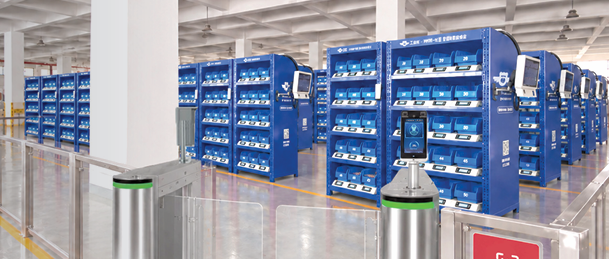
That gap grows when C-parts move through several hands: purchasing orders them, a warehouse receives them, supervisors move them to the line and operators take what they need. If each movement relies on a delayed entry or an informal handover, the system may show stock that is somewhere else, mixed with another specification or already consumed. A practical approach combines clear identification, suitable storage, simple issue rules and replenishment based on observable demand.
Quick Answer
Manage C-parts according to their operational importance as well as their purchase value. Start with high-frequency SKUs, assign each one a clearly identified storage location, define who replenishes it and set a reorder trigger that accounts for actual consumption and supply time. Keep the issue process proportionate: open access may suit routine fasteners, while selected materials need permission-based access or more detailed records. Connected bins and inventory software can support stock visibility and replenishment, but the physical layout and responsibilities must be defined first.
Key Takeaways
- Low unit price does not mean low operational risk when a part is needed to complete a job.
- Similar-looking specifications, dispersed storage and unrecorded transfers are common sources of avoidable confusion.
- Replenishment rules should reflect usage, supplier lead time, pack size and the consequence of a shortage.
- Fast-moving open-access items and controlled-use items may require different storage and issue workflows.
- Review stockouts, emergency orders, picking problems and record quality before expanding a pilot.
Contents
- What counts as a C-part?
- Why small components cause large disruptions
- How to prioritize SKUs
- Storage and identification rules
- Issue control without slowing work
- Replenishment logic
- Where connected cabinets fit
- Pilot checklist and measures
- Frequently asked questions
What Counts as a C-Part?
In many inventory classifications, C-class materials represent relatively low purchasing value per item or in aggregate compared with the most valuable stock categories. In manufacturing, the term “C-parts” often refers to fasteners, fittings, small electrical items and other everyday components. Some plants also group suitable MRO consumables with them for operational planning. The exact classification should follow your organization’s material master and purchasing policy.
Value alone is an incomplete control rule. A low-cost fastener used at every workstation may deserve closer replenishment attention than a more expensive item used once a year. Conversely, a high-value tool or restricted material may require an enclosed cabinet, named-user access and a different approval process. Separate three questions: How much does the item cost? How often is it needed? What happens if it is unavailable or incorrectly issued?
That distinction prevents two costly extremes. Treating every screw like a controlled asset creates work for operators and storekeepers. Treating every small component as freely interchangeable risks mixing grades, lengths, finishes or approved part numbers. The goal is a level of control that fits the material and the task.
Why Small Components Cause Large Disruptions
Many SKUs, small differences. A cabinet can hold numerous bolts that look alike but differ in diameter, thread, length, strength class or coating. If labels are incomplete, an operator may search several bins or pick a similar-looking part. Identification needs to work at the storage location, on the package and in the material record.
Frequent withdrawals. High-frequency parts can move in small quantities throughout a shift. A paper issue sheet or end-of-day entry may lag behind the physical bin. By the time a buyer sees a shortage, the replenishment window may already be narrow.
Stock spread across locations. The same SKU may sit in a central store, on a production rack, in a technician’s kit and in an unrecorded overflow box. The total may appear sufficient, while the point of use is empty. Decide which locations hold working stock and which hold reserve stock, and record transfers between them.
Ambiguous ownership. When no one owns a bin’s minimum level, replenishment can depend on whoever notices it first. A clear process names the person or team that reviews alerts, places or approves orders, receives deliveries and refills each location.
Emergency behavior. A missing small component can trigger searches, substitutions, expedited orders or temporary borrowing from another line. These responses may solve today’s problem while obscuring the recurring cause. Record the missing SKU, location, time and reason so the team can correct the stocking rule.
How to Prioritize the First C-Parts SKUs
Do not begin by digitizing every item in the material master. Build a first list from parts that operators request repeatedly, items linked to recent shortages and materials whose specifications are easy to confuse. Compare purchase history with actual issue or consumption records where available. A purchased quantity is useful context, but it does not always show when or where parts were used.
For each candidate SKU, capture its approved description and part number, unit of issue, pack quantity, physical dimensions, unit weight where relevant, supplier, replenishment time, current locations and users. Ask the line team whether demand is steady, tied to a production schedule or driven by unplanned maintenance. Check whether different names in the system refer to the same approved item, and whether visually similar items must remain separate.
The following working table helps a cross-functional team decide which items need attention first. It is a decision aid, not a universal scoring formula.
| Observed condition | Question to ask | Likely first action |
|---|---|---|
| Frequent use and recurring empty bins | Does the trigger account for consumption during replenishment time? | Review the minimum level, review frequency and refill owner. |
| Similar specifications stored together | Can an operator identify the approved part at the bin? | Separate locations and improve labels and material data. |
| Stock exists but is hard to find | Are locations and transfers visible? | Assign one location code per bin and define transfer records. |
| Restricted or costly use | Who should be allowed to issue the item? | Define permissions and a suitable controlled storage method. |
Make Storage and Identification Reliable
A reliable bin starts with one approved SKU identity. Its label should match the material master and be readable during a normal pick. Include the fields users need to distinguish the item, such as size, specification, finish and unit of issue. A location code helps receiving and replenishment teams find the correct bin. If multiple suppliers provide an approved equivalent, define that equivalence centrally instead of leaving it to an operator at the shelf.
Choose bin size around practical working stock, package dimensions and the way the item is handled. Avoid a layout that requires staff to pour visually similar parts over one another. Keep reserve cartons identifiable until they are checked and refilled. Where lot or batch information matters, specify whether it must be retained through receipt, storage and issue; a simple stock-level record alone may not meet that need.
Place high-frequency items where they can be collected without unnecessary travel, but preserve safe access, replenishment space and clear ownership. The best location is not automatically the closest available wall. A line-side point works only if someone can inspect and refill it during the operating schedule. Teams planning a wider network of stores can also review how smart warehouse technology fits their material flow.
Control Material Issues Without Slowing the Task
The issue process should answer what was taken, from where and, when necessary, by whom or for which job. The required detail depends on the item. For a frequently used standard washer, easy access and dependable stock-change information may be the priority. For a selected maintenance component or restricted consumable, user permissions and a more explicit issue record may be justified.
Write down the exception paths as carefully as the normal path. What should an operator do if the bin is empty, a label is damaged, a part appears mixed, the wrong item is picked or the system is temporarily unavailable? Who can correct a stock record? How are returned or unused parts checked before they go back into a bin? Without these rules, a neat deployment can drift back into informal storage.
When evaluating digital records, distinguish a detected stock change from a fully attributed transaction. A connected bin can help show material movement, while linking a particular withdrawal to a named person, work order or cost center depends on the configured identification and workflow. Confirm the record fields that your operation actually requires.
Set Replenishment Rules Around Real Demand
A minimum stock level should cover expected use while new material is obtained and delivered to the point of use, with an allowance appropriate to demand and supply variation. The inputs need regular review: consumption rate, replenishment time, order or pack quantity, production changes and the consequence of a shortage. A fixed threshold copied from another line may be easy to enter but poorly matched to the SKU.
Decide what an alert means operationally. It might prompt a storekeeper to transfer stock, a buyer to review a purchase requirement or a supplier to prepare a scheduled refill. An alert is useful only when a named party receives it, has the information needed to act and closes the loop after replenishment. Define how the team handles late supply, demand spikes, approved substitutes and discrepancies between system quantity and physical stock.
For a vendor-managed or consignment arrangement, agree on ownership, replenishment responsibility, visibility, receipt confirmation and the event that creates a commercial transaction. Those terms are commercial and process decisions, not automatic properties of a cabinet. Explore the site’s vendor-managed inventory information as a starting point, then document the roles for your project.
Where Connected Smart Cabinets Fit
Connected storage can make a defined C-parts workflow easier to operate. Bear Bit’s NVMI-H open smart cabinet uses weight-sensing units with inventory software to support visibility of stock changes, material-use records and low-stock alerts. Open access can suit high-frequency fasteners and consumables when the material, location and access policy allow direct picking. Bin choice and sensing suitability should be checked against the actual parts, packaging and unit weights.
Where authorization and access records matter more, the NVMI-D enclosed smart cabinet provides a different workflow with configured identity verification and permissions. A mobile open cabinet may suit changing work areas, subject to placement, power and connectivity review. These are configuration choices rather than a rule that one cabinet type fits every C-part.
Before connecting a cabinet to ERP, MES, WMS or a supplier system, define the data owner and the event flow. Which system holds the approved SKU master? How is a receipt posted? Does a detected withdrawal update a central balance immediately, after review or in a batch? How are corrections handled? Interface scope, fields and timing should be confirmed for the actual project. A cabinet cannot repair duplicate SKUs, unclear ownership or inconsistent units of measure on its own.
Run a Focused Pilot and Measure the Exceptions
Choose one operating area and a manageable group of high-frequency or troublesome SKUs. Include warehouse, production, purchasing and the people who refill the bins. Establish the baseline before changing the process: where stock is kept, how issues are recorded, how often bins are found empty, which parts are confused and what happens when replenishment is late.
Use this pilot checklist:
- Confirm each SKU’s approved specification, unit of measure, package and location.
- Assign the picking, refill, alert-review and record-correction responsibilities.
- Set initial minimum levels using demand and supply information available today.
- Walk through a normal issue, refill, return, shortage and system exception.
- Check that physical quantities and records can be reconciled by the team.
- Review threshold changes and layout feedback with actual users before expanding.
Track measures that reveal whether the process is working: empty-bin events, emergency orders, time spent searching, specification mix-ups, unresolved alerts and differences found during stock checks. Compare them with the baseline over an agreed period, while noting production volume and supplier changes that could affect the result. If a measure improves or worsens, investigate the cause before attributing it to equipment alone.
Scale only after the pilot team can maintain the material data, refill discipline and exception process. The next location may have different access needs or demand patterns. Carry over the tested principles, then adapt the bin layout, thresholds and user roles to that site.
Frequently Asked Questions
Are all fasteners C-parts?
No. Classification depends on your purchasing and operational rules. A common low-cost screw may fit a C-parts workflow, while a specialized or controlled fastener may require tighter identification, approval or traceability.
Should C-parts be stored at the production line or in the warehouse?
Many operations use both: working stock near the point of use and reserve stock in a central location. The right split depends on consumption, available space, replenishment frequency and responsibility for transfers.
What is the first step when stock records are unreliable?
Start with a small set of priority SKUs. Confirm the approved item, unit of measure, bin location and physical quantity, then define how receipts, issues, transfers and corrections will be recorded. Technology works better when those basics are consistent.
Does a smart cabinet automatically prevent production stockouts?
No. Connected stock information and low-stock alerts can support earlier action, but availability still depends on suitable thresholds, supply time, response ownership and timely replenishment. Review exceptions and adjust the process.
Can a supplier refill C-parts directly?
That may be suitable under a documented vendor-managed or consignment workflow. Agree on access, stock ownership, refill frequency, data visibility, counting and transaction rules before implementation.
Which C-parts need controlled access?
Consider control where the consequence of incorrect use, loss or unauthorized withdrawal justifies it. Review the item’s specification risk, value, user group and required records rather than applying one access rule to every bin.
References & Sources
Product capabilities and configuration considerations were checked against Bear Bit’s current NVMI overview and NVMI-H and NVMI-D product descriptions. The prioritization, storage, issue and replenishment steps above are an implementation framework; each plant should validate them against its own materials, supplier terms and operating procedures.
Plan Your C-Parts Workflow
To review a suitable approach with NVMI, share your top high-frequency SKUs, material categories, current storage and issue process, users and access needs. Include recent stockout frequency, any shrinkage or specification-mixing problems, the line-side replenishment workflow, deployment locations, integration scope and the KPIs you want to improve. That information will help define the bin layout, responsibilities and cabinet configuration for technical review.