NVMI Smart Cabinet Draws Attention on Day Two of CWP 2026
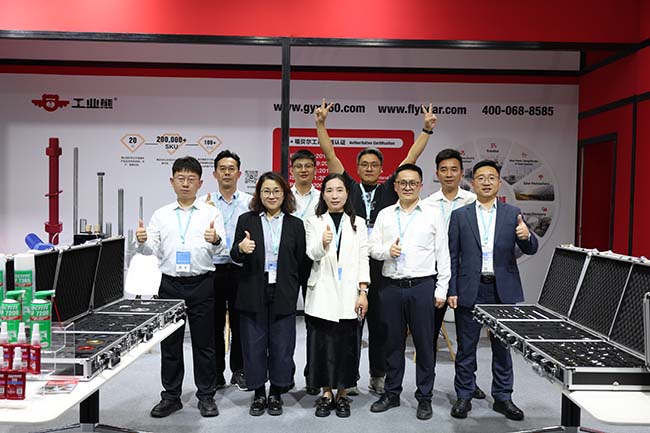
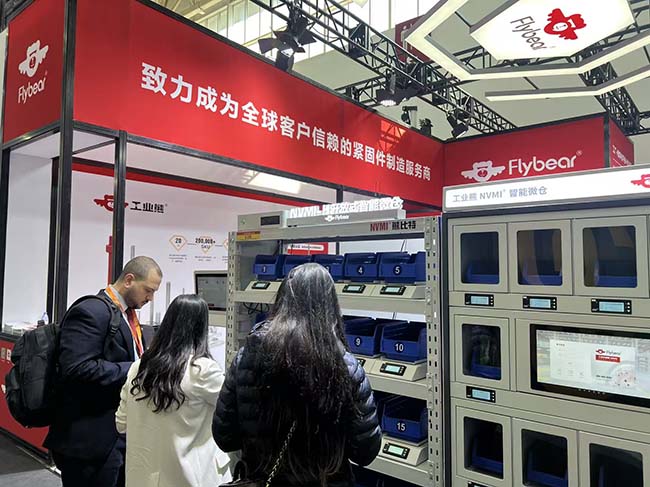
NVMI smart cabinet solutions are attracting strong interest at Flybear’s booth on the second day of China Wind Power 2026. Visitors exploring equipment and supply solutions for the wind power industry have also been taking a closer look at a familiar factory challenge: how to keep fasteners, maintenance supplies and other frequently used materials available and accounted for.
Flybear is exhibiting at Booth W1-A07 at the China International Exhibition Center (Shunyi Hall) in Beijing. The exhibition continues through October 16, giving visitors another opportunity to discuss their material management needs with the team.
Why the NVMI Smart Cabinet Is Getting Attention
A missing component can hold up an otherwise ready assembly or maintenance task. Yet small parts are often stored across warehouse shelves, line-side boxes and maintenance areas. When withdrawals are recorded later—or not recorded at all—it becomes harder to know what is available at the point of use and when a bin needs refilling.
That practical problem makes smart storage relevant alongside the equipment and components on display at CWP 2026. An NVMI cabinet connects assigned material locations with inventory information. Depending on the cabinet model and configuration, teams can review stock changes, material-use records and low-stock alerts to support day-to-day replenishment decisions.
The aim is to make routine material collection easier to manage. A fastener still needs the correct specification and an identifiable bin. A replenishment alert still needs someone responsible for acting on it. Connected storage gives teams a clearer basis for those decisions while fitting into a defined picking and refill process.
From Fastener Storage to a Practical Replenishment Workflow
Wind power manufacturing and maintenance involve materials with different patterns of use. Frequently picked standard parts may need convenient access near a work area. Selected components or consumables may call for more deliberate access control and issue records. The storage method should follow the material, the users and the work being done.
Flybear’s NVMI-H open smart cabinet is designed around direct access to connected bins. Weight-sensing units help capture stock changes as materials are added or removed, while inventory information supports usage review and replenishment planning. Where permission-based access is required, the NVMI-D enclosed smart cabinet provides a different collection workflow. The suitable bin arrangement, access method and system scope are reviewed for each project.
For teams considering smart cabinets, the useful starting point is a material list rather than a cabinet model. Which SKUs are picked most often? Where are they stored today? Who notices a shortage, and who refills the location? Answers to those questions help determine the placement, bin layout, access rules and replenishment responsibilities that a connected solution needs to support.
Visit Flybear at Booth W1-A07
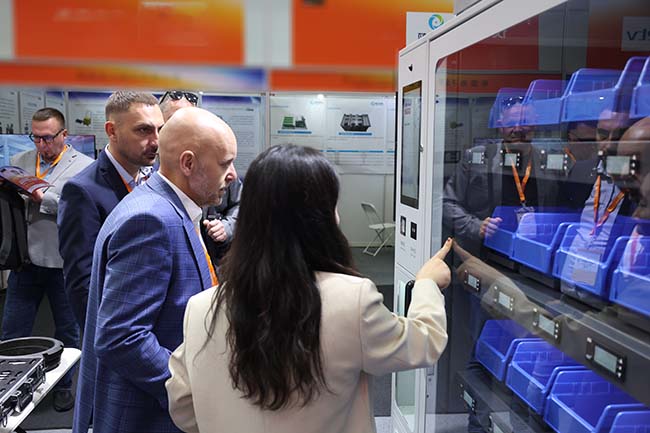
The interest in NVMI on day two has made material visibility and replenishment a valuable part of the conversation at Flybear’s CWP 2026 booth. Visitors are welcome to bring examples of their current fastener or MRO storage workflow and discuss what a suitable cabinet setup would need to handle.
China Wind Power 2026 continues on October 16 at the China International Exhibition Center (Shunyi Hall), Beijing. Visit Booth W1-A07 to meet the Flybear team, or learn more about NVMI online. Share your material categories, approximate SKU count, collection process and replenishment needs so the team can review a relevant configuration with you.