NVMI SKU selection is one of the most important decisions in the early stage of an intelligent inventory project. A manufacturer does not need to move every fastener, C-part, MRO consumable, tool, and production material into a new replenishment process on day one. A more practical approach is to identify a controlled group of SKUs whose consumption patterns, replenishment workload, shortage exposure, and storage characteristics make them suitable for an initial NVMI pilot.
The purpose of the first SKU group is not to prove that every material in the factory should use the same inventory method. It is to create a manageable operating scope where the buyer, supplier, warehouse team, and production users can validate inventory visibility, material-issue recording, replenishment signals, responsibilities, and exception handling before expanding the program.
NVMI SKU Selection: How to Build the Right First Pilot
Quick Answer
The best first SKUs for an NVMI program are usually materials with repeatable consumption, frequent replenishment activity, clear specifications, reliable supplier relationships, and a real operational reason for improving inventory visibility. High-frequency fasteners and C-parts are often strong candidates because their individual unit value may be relatively low while the administrative effort required to count, request, replenish, and track them can be significant.
However, frequency alone is not enough. A good pilot should also consider material criticality, historical usage, supplier lead time, packaging quantity, point-of-use location, access-control requirements, storage dimensions, data quality, and the consequences of a shortage. The objective is to select SKUs that are representative enough to test the process but controlled enough to troubleshoot during the pilot.
Key Takeaways
-
Do not begin an NVMI rollout by moving every SKU into the program at once.
-
Prioritize materials with recurring consumption and repeated replenishment workload.
-
High-frequency C-parts and fasteners can be strong pilot candidates when specifications and usage are stable.
-
Consider transaction frequency as well as annual inventory value.
-
Exclude or separately manage highly irregular, obsolete, engineering-sensitive, or poorly identified materials during the first pilot.
-
Select inventory equipment according to item size, weight, access requirements, and point-of-use workflow.
-
Confirm supplier readiness before assigning replenishment responsibility.
-
Use pilot data to refine replenishment thresholds before scaling to additional SKUs.
Table of Contents
-
Why first-SKU selection matters
-
What a strong pilot SKU looks like
-
Why transaction frequency matters
-
Selecting C-parts and fasteners
-
How material criticality changes selection
-
Check supplier readiness
-
Which SKUs to avoid in the first pilot
-
A practical SKU scoring model
-
Match SKUs to the right NVMI configuration
-
Build the pilot scope
-
Frequently asked questions
Why First-SKU Selection Matters
An NVMI implementation changes more than the physical storage location of a component. It changes how inventory quantities are observed, how consumption is recorded, how replenishment conditions are identified, and who is expected to respond. Trying to introduce those changes across thousands of different materials simultaneously makes it difficult to determine whether a problem comes from the technology, material master data, supplier response, inventory parameters, or user behavior.
A controlled pilot reduces that complexity. The project team can validate a smaller group of materials, establish data definitions, confirm the replenishment workflow, and identify exceptions before expanding the operating model.
This also helps prevent the common mistake of assuming that all inventory deserves the same control method. A frequently consumed washer, a calibrated tool, an expensive electronic module, and an emergency maintenance spare have very different usage patterns and control requirements. The first NVMI pilot should focus on materials that fit the intended workflow rather than forcing unrelated items into one process.
What Does a Strong NVMI Pilot SKU Look Like?
A strong candidate usually has several characteristics that make its behavior understandable and its replenishment process repeatable.
-
Clear identification: The material has a reliable SKU number, description, specification, and unit of measure.
-
Recurring consumption: The item is withdrawn often enough to generate useful pilot data.
-
Visible replenishment workload: Employees currently spend time counting, requesting, moving, or monitoring the material.
-
Predictable supply source: The supplier relationship and replenishment route are sufficiently established for a controlled test.
-
Defined storage location: The plant knows where the item is normally consumed and replenished.
-
Manageable demand variability: Consumption does not depend entirely on rare, unpredictable projects.
-
Operational relevance: Improving the material flow would solve a real warehouse, procurement, or production problem.
The best pilot portfolio normally contains enough activity to test the system. A SKU that moves once every several months may not generate sufficient transactions to evaluate inventory monitoring or replenishment logic during a practical pilot period.
Why High Frequency SKUs Deserve Special Attention
High frequency SKUs can create operational workload that is not obvious when procurement looks only at unit price or annual purchase value. A low-cost component may be collected from a storage location many times, replenished repeatedly, counted manually, and included in numerous small purchasing or warehouse transactions.
This is why transaction frequency should be included in the selection process. Inventory classification can use different criteria depending on the management objective. For example, inventory systems can classify materials according to historical transaction count, historical usage quantity, current inventory value, or other selected criteria.
For an NVMI pilot, historical transaction count and usage quantity can be especially useful because they help reveal which materials generate repeated physical and administrative activity.
Annual inventory value should still be considered, but it should not be the only ranking method. A plant may discover that some inexpensive components create more manual material-handling activity than more expensive items that move infrequently.
C-Parts Selection and Fastener Inventory Analysis
C-parts selection is a logical starting point for many manufacturing NVMI projects because standardized fasteners and similar components often combine relatively low unit value with high transaction frequency.
Examples can include bolts, nuts, washers, screws, clips, fittings, and other regularly consumed production or maintenance materials. Whether a specific component belongs in the first pilot should still be determined from actual plant data rather than from its product category alone.
A practical fastener inventory analysis should examine several dimensions:
|
Selection Factor
|
Question to Ask
|
|
Consumption frequency
|
How often is the SKU physically withdrawn?
|
|
Usage quantity
|
How much is consumed during a normal operating period?
|
|
Specification stability
|
Is the material specification stable and clearly identified?
|
|
Supplier stability
|
Is there a defined supplier and repeatable replenishment route?
|
|
Shortage exposure
|
What happens when the item is unavailable at the point of use?
|
|
Manual workload
|
How much counting, recording, ordering, or internal movement does it create?
|
|
Storage fit
|
Does the size and weight fit the intended inventory unit?
|
|
Demand variability
|
Is consumption sufficiently repeatable for a pilot?
|
Fasteners with stable specifications and recurring consumption can make the pilot easier to interpret. If an item repeatedly changes specification or is tied to temporary engineering projects, demand changes may make it difficult to separate inventory-process performance from product-change effects.
Should Production-Critical Materials Be Included First?
Material criticality needs careful treatment. Critical components can provide a strong reason for improving inventory visibility, but the first pilot should not create unnecessary production risk.
One approach is to select materials that matter operationally but still have manageable contingency options during the pilot. This gives the project team a meaningful test without making the success of an unproven process the only protection against a serious production interruption.
For each candidate, classify the consequence of a shortage. A simple structure can separate materials into categories such as low operational impact, moderate production impact, and high production-criticality. The exact categories should follow the manufacturer's own risk-management process.
Criticality should then be considered together with consumption frequency. A high-frequency component with meaningful shortage impact may deserve close attention, while a high-criticality item with extremely irregular demand may require a different inventory strategy during the initial phase.
Use Multi-Criteria Selection Instead of a Single ABC Ranking
Traditional ABC classification is useful for understanding relative inventory importance, but NVMI pilot selection should normally use more than inventory value alone. Inventory-management systems can rank items using criteria including current on-hand value, historical transaction frequency, historical usage quantity, historical usage value, and other measures.
For the first NVMI pilot, combine several dimensions. A component may have low annual spend but high transaction frequency and high production importance. Another may have high inventory value but almost no regular movement. These two materials should not automatically receive the same pilot priority.
A practical segmentation can consider:
-
Transaction frequency
-
Usage quantity
-
Annual consumption value
-
Shortage impact
-
Demand stability
-
Supplier lead time
-
Supplier readiness
-
Current manual workload
-
Inventory discrepancy history
-
Physical storage suitability
This creates a more useful picture of the material's operational behavior.
Supplier Readiness Is Part of NVMI SKU Selection
An SKU can look ideal from a consumption perspective and still be a poor initial candidate if the supplier cannot support the intended replenishment workflow.
Before moving an item into the pilot, confirm who will monitor the material, how inventory or consumption data will be shared, what replenishment parameters apply, how packaging quantities affect refill decisions, and how exceptions will be escalated.
Supplier-managed replenishment generally depends on the buyer identifying the materials included in the program and sharing relevant inventory and demand information. Minimum and maximum inventory conditions can then provide part of the framework used by the supplier to determine when replenishment is required.
Supplier readiness questions should include:
-
Is the supplier responsible for replenishment planning or only physical delivery?
-
Can the supplier review agreed inventory data at the required frequency?
-
What is the normal replenishment lead time?
-
What packaging quantities must be respected?
-
How are urgent exceptions handled?
-
How is incoming replenishment confirmed?
-
Who reviews incorrect or unusual consumption?
These questions should be answered before the first SKU is activated.
Which SKUs Should Usually Be Avoided in the First Pilot?
The first pilot should make the process easier to evaluate. Some materials can introduce unnecessary complexity and may be better added after the basic workflow has been validated.
Poorly identified materials should normally be corrected first. If multiple item codes refer to the same physical component, or one code refers to several specifications, automated inventory data can amplify the master-data problem.
Obsolete or end-of-life items are usually weak pilot candidates because their consumption does not represent the future process.
Extremely irregular project materials can also be difficult to evaluate because historical consumption provides little guidance about the next requirement.
Frequently changing engineering items may create complexity if specifications, substitutes, or approved sources change during the test.
Materials without supplier ownership of the replenishment process should not be presented as supplier-managed items until responsibilities are actually agreed.
Items with unresolved inventory discrepancies should be physically and digitally reconciled before they become part of an automated replenishment process.
A Practical NVMI SKU Selection Scorecard
A scorecard can make selection discussions more objective. The exact weighting should be customized by the manufacturer, but the following structure provides a useful starting framework.
|
Criterion
|
Low-Priority Signal
|
Strong Pilot Signal
|
|
Transaction frequency
|
Rare movement
|
Frequent repeated withdrawals
|
|
Demand pattern
|
Highly irregular
|
Relatively repeatable
|
|
SKU definition
|
Unclear or duplicated
|
Clean and standardized
|
|
Replenishment workload
|
Little manual activity
|
Repeated counting or refill activity
|
|
Supplier readiness
|
Responsibilities unclear
|
Supplier process defined
|
|
Storage fit
|
Difficult to accommodate
|
Fits available inventory unit
|
|
Shortage relevance
|
Little operational effect
|
Availability matters to operations
|
|
Data availability
|
Limited transaction history
|
Usable inventory and consumption history
|
The team can rank candidate materials using a simple internal score and then review the highest-ranked items manually. The score should support engineering and supply-chain judgment rather than replace it.
Match the Selected SKUs to the Right NVMI Configuration
SKU selection and equipment selection should be performed together. The physical characteristics and control requirements of the material determine how it should be stored and accessed.
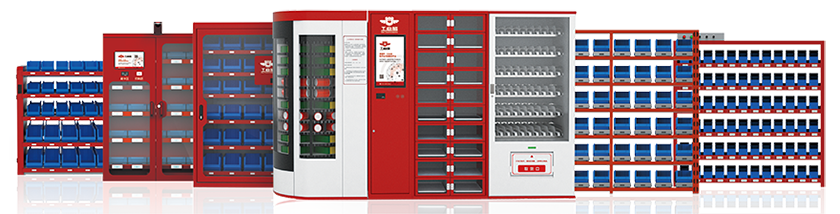
The NVMI intelligent inventory approach combines smart inventory equipment with SaaS-based material management, providing functions such as real-time inventory updates, material usage records, shortage reminders, and replenishment information.
NVMI-H provides an open-access configuration suited to applications where convenient material collection is important, including warehouse and production-line material management. This can make it relevant for frequently consumed C-parts where rapid access is required.
NVMI-D uses an enclosed structure and supports authorization and access monitoring, making it more suitable where the material requires stronger control or traceability. Current configuration information can be reviewed on the NVMI-D smart inventory cabinet page.
NVMI-X is a mobile configuration intended for production environments where material inventory may need to move according to workstation or production-layout requirements. It can be considered when a fixed storage point does not match the actual material flow.
Manufacturers planning broader digital warehouse processes can also review the smart warehouse technology resources when mapping storage locations, material flows, and replenishment responsibilities.
How Many SKUs Should the First NVMI Pilot Include?
There is no universal number that applies to every factory. The correct pilot size depends on the number of storage locations, users, suppliers, material categories, data interfaces, and replenishment workflows being tested.
The scope should be large enough to generate meaningful operational activity but small enough that exceptions can still be investigated individually. A pilot containing many thousands of SKUs can make root-cause analysis difficult, while a pilot containing only a few rarely used items may not generate enough data to evaluate the system.
Instead of starting from an arbitrary SKU quantity, define the processes that need to be tested:
-
Material master setup
-
Initial inventory loading
-
Material pickup
-
Inventory update
-
Return handling where applicable
-
Shortage-condition detection
-
Supplier replenishment response
-
Incoming-material recording
-
Inventory discrepancy handling
-
User and permission management where required
Then select enough representative SKUs to exercise each process repeatedly.
Build a Balanced NVMI Pilot Portfolio
A pilot does not need to contain only one material type. A balanced portfolio can provide more information about how the process performs under different conditions.
For example, the project may include a group of high-frequency fasteners, several medium-frequency C-parts, and a limited number of materials requiring controlled access. This allows the team to compare different inventory behaviors without turning the pilot into a full-site rollout.
However, avoid adding complexity simply for variety. Every additional material type, supplier, cabinet architecture, integration, or commercial workflow increases the number of variables the team must manage.
During the first phase, process clarity is more important than scope.
What Data Should Be Collected Before Selecting the SKUs?
Before finalizing the candidate list, collect a basic dataset for each material. This should provide enough information for the team to understand both consumption and replenishment behavior.
-
SKU or material code
-
Description and specification
-
Material category
-
Current storage location
-
Historical usage quantity
-
Historical transaction frequency
-
Current inventory level
-
Current replenishment method
-
Supplier
-
Typical replenishment lead time
-
Packaging quantity
-
Known shortage events
-
Material criticality
-
Item dimensions and approximate weight
-
Required access-control level
If these data fields are unavailable or unreliable, the pilot preparation phase should include data cleanup. Automated replenishment depends on trusted material and inventory information.
Validate the Pilot Before Scaling
Once the first NVMI pilot items are activated, the team should not immediately expand the program simply because the hardware is functioning. The operating process needs to be reviewed.
Check whether digital inventory reflects physical inventory, whether shortage signals occur at appropriate conditions, whether suppliers understand the replenishment workflow, and whether users can collect materials according to the intended process.
Also review exceptions. Which items repeatedly fall below the desired level? Which remain above the intended range? Are packaging quantities creating unnecessary stock? Are some materials being used differently from the historical pattern?
The answers should be used to adjust inventory parameters and determine which material groups are suitable for the next rollout phase.
NVMI Pilot Selection Checklist
-
Prepare the complete candidate SKU list.
-
Clean duplicate and unclear material codes.
-
Analyze historical transaction frequency.
-
Analyze historical usage quantity.
-
Review shortage and emergency-replenishment history.
-
Classify operational criticality.
-
Confirm material dimensions and storage requirements.
-
Confirm required user access and traceability.
-
Confirm the responsible supplier.
-
Document supplier replenishment responsibilities.
-
Review actual replenishment lead time.
-
Confirm minimum, target, or other replenishment parameters.
-
Identify known demand changes.
-
Select representative pilot locations.
-
Define inventory and replenishment KPIs.
-
Document the expansion criteria before the pilot starts.
Image and Diagram Suggestions
-
SKU selection funnel: Show all inventory SKUs being filtered by frequency, data quality, supplier readiness, criticality, and storage fit. ALT text: "NVMI SKU selection process for industrial inventory pilots."
-
Fastener analysis matrix: Plot transaction frequency against shortage impact to identify pilot candidates. ALT text: "Fastener inventory analysis matrix for selecting NVMI pilot items."
-
Pilot scorecard: Visualize scoring criteria for consumption, supplier readiness, storage, and data quality. ALT text: "NVMI pilot SKU scoring criteria for manufacturing plants."
-
Deployment architecture: Show open, enclosed, and mobile NVMI inventory configurations matched to different material profiles. ALT text: "NVMI smart inventory configurations for C-parts fasteners and controlled materials."
Frequently Asked Questions
Which SKUs Should Be Selected First for NVMI?
Start with materials that have clear specifications, recurring consumption, meaningful replenishment workload, reliable suppliers, and suitable storage characteristics. High-frequency C-parts and fasteners are common candidates, but actual factory data should determine the final selection.
Should the Highest-Value Inventory Be Selected First?
Not necessarily. Inventory value is only one factor. Historical transaction frequency, usage quantity, shortage impact, supplier readiness, and manual handling effort can be equally important when selecting an NVMI pilot.
Are Low-Value Fasteners Good NVMI Pilot Items?
They can be. Frequently consumed fasteners may generate repeated counting and replenishment activity even when individual unit values are low. Stable specifications and recurring usage can also make their behavior easier to evaluate during a pilot.
Should Critical Production Parts Be Included in the First Pilot?
They should be evaluated carefully. Operationally relevant materials provide a meaningful test, but the manufacturer should avoid creating unnecessary production risk during an early implementation. Material criticality and contingency options should be reviewed before inclusion.
How Many SKUs Should an NVMI Pilot Use?
There is no universal number. Select enough SKUs to generate repeated material and replenishment transactions while keeping the scope manageable enough to investigate exceptions and validate the workflow.
When Should More SKUs Be Added?
Expand after the pilot demonstrates that inventory records, user workflows, shortage signals, supplier replenishment, and exception handling operate as intended. The next SKU group should be selected using the lessons and data collected during the first phase.
References & Sources
-
Bear Bit NVMI product documentation: real-time inventory updates, material usage records, shortage reminders, supplier replenishment records, NVMI-H open inventory equipment, NVMI-D enclosed inventory equipment, and NVMI-X mobile inventory equipment.
-
SAP Help Portal, Supplier-Managed Inventory: buyer designation of managed materials, sharing of inventory and demand information, and supplier replenishment based on agreed stock conditions.
-
Oracle Fusion Cloud Inventory Management, ABC Analysis: inventory items can be classified using different criteria including historical transactions, historical usage, on-hand quantity, and inventory value.
-
Actual SKU scoring, pilot size, inventory parameters, supplier responsibilities, and performance targets should be defined according to each manufacturing site's operating requirements.
Conclusion: Start NVMI With the SKUs That Teach You the Most
NVMI SKU selection should balance operational value with implementation control. The best first materials are not automatically the most expensive items or the largest inventory categories. Strong candidates typically combine repeatable consumption, frequent material activity, clean master data, manageable demand variability, supplier readiness, and a clear reason for improving replenishment visibility.
C-parts and fasteners can provide an effective starting point because they often create substantial recurring inventory activity. However, every candidate should still be evaluated for criticality, physical storage fit, supplier capability, and data quality.
The first pilot should be used to learn. It should show whether physical consumption is captured correctly, whether replenishment signals reflect actual requirements, whether suppliers can respond according to the agreed workflow, and whether users can adopt the new material process. Those lessons can then guide the selection of the next SKU group.
To prepare an NVMI pilot, share your material categories, candidate SKU list, monthly usage, transaction frequency, current storage method, stockout pain points, supplier model, item size and weight range, user count, access-control requirements, deployment locations, integration scope, and target KPIs. These inputs provide the foundation for selecting a practical first group of materials and designing the corresponding smart inventory workflow.