How to Prevent Mixed Fastener SKUs at the Production Line
Prevent mixed fastener SKUs at the production line by controlling every handoff, from receiving and bin refilling to picking, returns and changeovers. A clearly labelled bin helps, but it cannot protect an assembly if the wrong bolt was placed inside it. The strongest process makes a mix-up difficult to create, easy to notice and straightforward to contain before a part reaches the workstation.
Fasteners are especially vulnerable to confusion because adjacent SKUs may share a head style and finish while differing in length, thread pitch, strength class or approved application. A line may use several visually similar parts during one shift. When loose pieces are moved between cartons, bins and temporary trays, the package identity can be lost. This guide shows how production, warehouse, purchasing and quality teams can control that risk without making routine fastener picking unnecessarily slow.
Quick Answer
Give each approved fastener SKU a distinct identity and assigned storage location. Check the supplier package against that identity before refilling, keep lookalike parts physically separated, and verify the part at the point where it moves into production. Define a quarantine route for unidentified or returned loose parts. For higher-risk applications, add an independent check or a suitable configured access workflow. Smart cabinets can support location guidance, stock records and replenishment, but they do not identify the grade, thread or length of every loose fastener placed in a bin.
Key Takeaways
- Trace a mix-up to the step that introduced it; an error found during assembly may have begun at receiving or refilling.
- Use approved part numbers and distinguishing specifications on labels. Color can help visually but should not be the only identifier.
- Keep one approved SKU per assigned bin and define how unopened reserve stock is transferred into it.
- Pick-to-light can guide users to a location; the location and its contents still need correct setup and checking.
- Separate routine C-parts access from the tighter controls needed for selected critical or restricted items.
Contents
- Where mixing starts
- Create an unambiguous SKU identity
- Design line-side storage
- Control receiving and refilling
- Check picking and changeovers
- Use smart cabinets appropriately
- Contain exceptions and returns
- Pilot checklist and measures
- Frequently asked questions
Where Do Mixed Fastener SKUs Come From?
A mixed bin is often the result of several individually reasonable actions. A receiving team accepts two similar cartons. A storekeeper decants parts into open containers. A material handler refills a partly used line-side bin. An operator returns unused pieces to the nearest location. Each handoff can separate a part from the information that identified it.
Map the route for the affected SKU before changing the workstation. Follow the part from its supplier package through receiving, reserve storage, internal transport, point-of-use storage and final assembly. Note where cartons are opened, labels are removed, bins are topped up and parts are returned. The stage at which an error is discovered may be different from the stage at which it was introduced.
Lookalike parts deserve particular attention. Two hex bolts may share diameter and appearance while having different lengths. A coarse-thread part may sit near a fine-thread version. A plated part may resemble an uncoated one under shop lighting. Some distinctions cannot be confirmed reliably by a quick visual glance. The control plan should therefore identify which differences require reading a label, checking a package, using a gauge or following another approved verification method.
| Process point | Possible mix-up | Practical control |
|---|---|---|
| Receiving | A similar-looking carton is accepted under the wrong item. | Match the package identity to the purchase and material record before putaway. |
| Reserve storage | Opened packages lose their SKU or lot identification. | Retain the approved identity on each stored container. |
| Line-side refill | New material is poured into the wrong or mixed bin. | Check both the refill package and assigned bin; stop if contents are uncertain. |
| Picking | An operator chooses an adjacent lookalike SKU. | Separate locations and check the required part number at the pick point. |
| Changeover or return | Loose parts from the previous job enter the next job’s supply. | Clear the workstation and route unidentified parts to quarantine. |
Create an Unambiguous SKU Identity
The material master should state the approved part number and the attributes needed to distinguish it from nearby items. Depending on the fastener, these may include the standard or drawing number, diameter, pitch, length, material or property class, finish and unit of issue. Do not rely on a shortened description such as “M8 bolt” where several M8 parts are in use.
Make that identity consistent across the purchase order, supplier package, warehouse location, line-side label and production instruction. If different departments use different names, maintain an approved cross-reference rather than asking operators to guess which terms are equivalent. Define who can approve an alternative part and how that approval is communicated to the line. An apparently interchangeable item may differ in a property that matters to the application.
Labels need to survive normal handling and be readable from the picking position. Put the part number and distinguishing attributes where the user can see them before reaching into a bin. A location code identifies the container’s place; it is not a substitute for the SKU identity. Where lot or batch traceability is required, decide how that information follows material after the original carton is opened.
Color bands and photographs may help people find a family of materials, but they can be misread, damaged or applied inconsistently. Pair visual cues with the approved written identity. Review any scan-based check against the actual package and workstation workflow; scanning a correctly printed bin label cannot reveal that somebody previously put the wrong loose parts inside.
Design Line-Side Storage to Discourage Mixing
Assign one approved SKU to each live bin. Provide enough room that parts do not spill into the next location or require temporary storage in an unlabelled tray. Position similar specifications with deliberate separation, such as a physical divider or a different rack position, when a wrong pick would be difficult to detect. Avoid placing an almost identical fastener in the bin immediately above or beside the one used most frequently.
Keep reserve packages identifiable until the refill check is complete. If a team uses two-bin replenishment, both containers should have the same approved SKU identity, and the empty-bin signal should remain clear. Topping up a partly filled bin without checking its contents can hide a previous mistake. Define whether the team must empty, inspect or otherwise verify a container before adding new stock.
Storage location also affects behavior. A poorly placed rack encourages operators to bring loose handfuls of material to the workstation or leave extra stock beside the machine. Select a point that supports normal picking, safe movement and a practical refill route. For wider layout planning, review how connected warehouse and line-side storage can fit the material flow.
Make Receiving and Refilling Controlled Handoffs
Receiving is the first opportunity to confirm the delivered identity. Compare the package markings and accompanying information with the ordered item and the approved material record. If a package has an unclear description, a damaged label or a discrepancy in quantity or specification, hold it for resolution before it is released to production stock. The check should be appropriate to the item and its quality requirements.
At refill, require a positive match between the reserve package and the line-side bin. The refiller should be able to read both identities at the same time, with the relevant distinction visible. If the bin already contains material of uncertain identity, do not make the uncertainty harder to investigate by adding another package. Segregate it according to the site’s quality procedure and provide verified stock for production.
Define who may refill bins and how completion is recorded. This matters when a warehouse team, shift supervisor or supplier shares the task. In a vendor-managed arrangement, agree on the supplier’s access, approved material list, refill check, stock ownership and discrepancy process. The site’s vendor-managed inventory information can inform the discussion, but the operating responsibilities must be agreed for the specific location.
Check the Pick and Clear the Line at Changeover
For each job, make the required fastener identity available at the point of use. The work instruction or kit list should identify the part clearly enough to distinguish it from lookalikes. Organize the picking sequence so the operator can locate the assigned bin and check its label without breaking the normal work rhythm. For applications with a higher consequence of a wrong part, define an additional verification step at the point where it is most effective.
A location light, barcode or screen prompt can reduce the search burden when properly configured. It does not establish that loose material inside a bin matches the label or that a visually similar part has the required mechanical properties. Treat guidance as one layer of control alongside verified stocking, readable identifiers and the product checks required by the assembly process.
Changeovers deserve a short, explicit line-clearance routine. Remove remaining loose fasteners from the previous job, check temporary trays and work surfaces, and bring in the next job’s verified material. If an operator cannot identify a returned fastener with confidence, do not put it into an approved production bin. The cost of one questionable handful should not determine the status of a full container.
How Can Smart Cabinets Help Prevent Mixed Fastener SKUs?
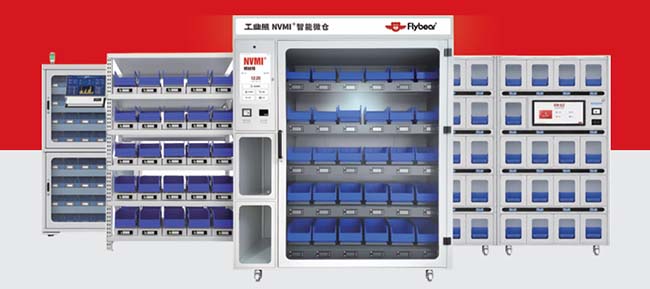
Smart storage can strengthen a defined location and replenishment process. The NVMI-H open smart cabinet offers assigned weight-sensing units, connected inventory information and pick-to-light guidance. These functions can help users find the selected location and help the team review stock changes and low-stock alerts. They are useful when high-frequency fasteners need direct access near production.
Those functions have a clear boundary. A weight change indicates that material was added or removed; it does not independently read a fastener’s standard, grade or thread. A light indicates a configured location; it does not inspect every part in that bin. Accurate setup, one SKU per assigned location, verified refilling and suitable checks at the workstation remain necessary.
For selected items needing managed access, the NVMI-D enclosed smart cabinet connects configured identity verification and permissions with material-use records. This may help control who can collect designated materials. The access method, bin arrangement and level of transaction detail should be confirmed for the project. Restricting a cabinet does not correct a wrong SKU that was loaded before a user opened it.
Before connecting cabinet records to ERP, MES, WMS or a supplier system, identify which system owns the approved SKU data and how discrepancies will be handled. Decide whether a detected stock movement is a location update, a named-user issue or a consumption transaction. These are distinct records. Confirm interface fields and workflow with the actual systems rather than assuming that a connection alone provides full part-level traceability.
Contain Suspected Mixes and Returned Parts
Give operators a simple instruction for a suspected mix: stop using the affected location, identify the last known correct state and notify the assigned supervisor or quality contact. Segregate the bin and any loose parts that cannot be positively identified. Follow the site’s procedure to assess material already issued and decide what checks or disposition are required. Do not quietly replace the label, pour in verified stock or reset the inventory record before the discrepancy has been reviewed.
Returns need their own route. Unused parts that remain in an intact, identified package may be handled differently from loose parts carried back from a workstation. Define acceptance conditions and who is authorized to put material back into a live bin. The return record should preserve the reason for the movement where the team needs it for stock reconciliation or investigation.
Use recurring discrepancies as process evidence. If the same two specifications are repeatedly confused, review their labels and physical proximity. If problems occur mainly during refilling, observe the handoff and packaging. If they appear after changeovers, inspect line-clearance practice. The correction should address the step that creates the error, not only the inspection that eventually finds it.
Pilot Checklist and Measures
Start with a limited group of fasteners that are frequently picked or easily confused. Include production operators, warehouse and replenishment staff, purchasing and quality in the review. Walk through a normal delivery, refill, pick, changeover and return using the actual packages and bins. A process that looks clear in a spreadsheet may be awkward when two adjacent labels are viewed from the operator’s position.
- Confirm the approved SKU identity and the attributes that distinguish each lookalike item.
- Assign and label every receiving, reserve and line-side location.
- Separate similar parts and remove unidentified loose stock from live bins.
- Define who checks a refill package against the bin and what happens if they disagree.
- Test picking guidance and any scan or access step with real users and job instructions.
- Run a changeover and a suspected-mix scenario before expanding the setup.
- Agree on stock corrections, quarantine ownership and supplier communication.
Record the baseline and review it after the pilot: wrong-location picks, suspected mixed bins, refill discrepancies, unidentified returns, stock adjustments and time spent finding the correct part. Note changes in product mix, staffing and demand when interpreting results. No storage method can guarantee the elimination of wrong-part use; the aim is to make the process more dependable and expose exceptions early enough to act.
Frequently Asked Questions
Is a clear bin label enough to prevent mixed fasteners?
No. It identifies the intended contents, but receiving, refilling and returns can still introduce a different part. Pair labels with physical separation and a checked transfer from the identified package to the correct bin.
Can weight sensing detect that the wrong bolt was loaded?
A weight-sensing unit detects a change in mass. It should not be relied on as independent proof of a bolt’s standard, grade, length or thread. Verify material identity before loading it and validate the proposed sensing setup with the actual SKU.
Does pick-to-light prevent every wrong pick?
It can guide a user to a configured location. The location mapping, bin label and physical contents still need to be correct. Define any additional verification required by the assembly or quality plan.
Should all fasteners be kept in an enclosed cabinet?
Not necessarily. Routine, low-value C-parts may benefit from convenient open access with clear bin controls. Selected high-value, restricted or higher-risk items may justify permission-based collection and more detailed issue records.
What should we do with unidentified loose fasteners?
Keep them out of live production bins. Segregate and assess them under the site’s quality procedure; return them to approved stock only when their identity and condition can be established by an authorized process.
Where should a plant begin if mixing occurs across several lines?
Start with the recurring SKU pairs and trace their complete route from receiving to use. Correct shared data or refill practices first, then pilot the revised storage and picking controls on one representative line.
References & Sources
- American Society for Quality: Mistake Proofing — principles for preventing errors or making them immediately apparent.
- Bear Bit NVMI-H and NVMI-D product pages, linked above — current descriptions of location guidance, connected inventory and configured access.
Review Your Line-Side Fastener Process
Share your top high-frequency SKUs, the pairs most often confused, material categories, current storage and issue process, and any recent stockout, shrinkage or mixing problems. Include the number of users, access-control needs, line-side replenishment workflow, proposed deployment locations, integration scope and target KPIs. The NVMI team can use those details to review a suitable bin layout, collection method and cabinet configuration for your operation.