Open smart cabinet solutions are becoming an important part of modern industrial material management because they help factories make material pickup faster, more visible, and easier to control without relying on manual stock records. In many manufacturing environments, small parts, fasteners, tools, MRO items, and production consumables are still managed through shelves, handwritten logs, or delayed ERP input. This creates gaps between actual stock and system inventory, leading to urgent shortages, overstocking, and wasted labor.
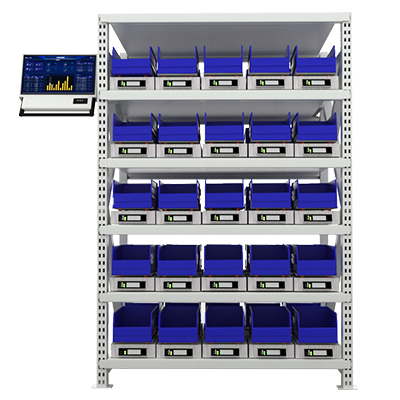
For production teams that need fast access to frequently used materials, an open cabinet structure offers a practical balance between convenience and digital control. Instead of locking every item behind a complicated dispensing process, the system supports quick material collection while using smart units, sensing technology, and software records to keep inventory data updated. This makes the open smart cabinet especially useful for production lines, transit warehouses, maintenance areas, and factory storerooms where speed and accuracy are both important.
How an Open Smart Cabinet Improves Industrial Inventory Management
What Makes an Open Smart Cabinet Different?
An open smart cabinet is designed for quick material access while still providing digital inventory visibility. Compared with traditional storage shelves, it connects physical material locations with intelligent sensing units and a management platform. When operators take materials, the system can record retrieval information and update stock data in real time. This reduces the need for manual input and helps managers understand what has been used, when it was used, and where replenishment may be required.
The open structure is valuable in high-frequency picking scenarios. Workers do not need to wait for warehouse staff or search through unclear storage locations. Materials can be organized by category, specification, code, or workstation need, allowing operators to collect the right item more efficiently. For manufacturers managing fasteners, spare parts, tools, and auxiliary materials, this creates a smoother material flow from storage to production.
Open Smart Cabinet for Fast Material Pickup
One of the main benefits of an open smart cabinet is faster material pickup. In a busy factory, even small delays in finding bolts, fittings, cutting tools, or repair parts can affect production rhythm. Traditional warehouse management often depends on manual distribution, paper forms, or after-the-fact data entry. These methods can create time differences between actual consumption and inventory records.
With a smart cabinet system, material usage can be recorded as part of the daily workflow. Operators can access materials more conveniently, while managers gain a more accurate view of consumption. This helps reduce repeated checking, unnecessary communication, and manual counting. For production planners, the result is better coordination between material demand and actual shop floor usage.
Real-Time Inventory Visibility and Shortage Reminder
Real-time inventory visibility is a key reason companies adopt intelligent material management systems. When stock information is delayed or inaccurate, procurement teams may buy too much, too late, or too often. An open smart cabinet connected with smart units and a SaaS management system can help update inventory data automatically, making it easier to monitor stock levels without constant manual inspection.
When materials fall below a preset safety level, the system can generate a shortage reminder. This supports more timely replenishment and helps reduce the risk of production interruption caused by missing small parts or MRO items. Instead of waiting for a worker to report a shortage, the system provides earlier visibility into consumption trends. This is especially useful for materials with many specifications and frequent usage changes.
Reducing Manual Work in Material Management
Manual inventory work is often time-consuming and low-value. Warehouse teams may spend hours counting parts, correcting records, checking forms, or tracing missing items. An open smart cabinet reduces this burden by combining hardware and software into a more automated process. Material storage, pickup, return, inventory updates, and statistics can be managed through one digital workflow.
This does not only save labor. It also reduces errors caused by forgotten entries, unclear handwriting, inconsistent storage habits, and delayed reporting. For procurement managers and warehouse managers, better data quality makes it easier to plan replenishment, control stock occupation, and identify abnormal consumption patterns. Over time, this supports a more disciplined and transparent material management process.
Better Traceability for Factory Materials
Traceability is becoming more important in industrial inventory control. Managers need to know how materials move through the factory, especially when dealing with high-value tools, production consumables, maintenance parts, or critical components. A smart cabinet system can record pickup data and provide a clearer basis for later analysis.
This helps enterprises move away from informal storage habits where materials are taken without clear records. With digital usage data, companies can review material consumption by item, location, department, or time period. The goal is not only to monitor people, but to build reliable operational data for better decision-making. When material usage becomes visible, waste, shortage risk, and unnecessary emergency purchasing can be reduced.
Suitable Application Scenarios
An open smart cabinet is suitable for warehouse material management, production line material management, and transit warehouse material management. In a central warehouse, it can help organize frequently used spare parts and consumables. Near a production line, it can support quick pickup of standard parts, tools, and auxiliary materials. In a transit warehouse, it can improve stock visibility between receiving, temporary storage, and production consumption.
Industries such as automotive manufacturing, robotics, electronics production, power equipment, energy storage, and machinery assembly often manage many small items with high usage frequency. These items may not be expensive individually, but poor control can create significant operational waste. A smart cabinet solution helps connect these materials with digital records, automatic reminders, and more accurate inventory decisions.
Connecting Smart Hardware with Digital Supply Chain Management
A modern open smart cabinet is not only a storage device. It is part of a larger digital supply chain system. Smart units, inventory software, visual screens, shortage alerts, and replenishment workflows can work together to create a more responsive material management model. For enterprises moving toward smart warehouse transformation, this provides a practical entry point with visible operational value.
NVMI focuses on intelligent material management solutions that combine smart logistics equipment with digital inventory control. For industrial customers, this means material access can become faster while inventory data becomes more reliable. The system supports real-time stock monitoring, material usage records, shortage reminders, and efficient replenishment coordination, helping factories simplify daily material operations.
Why Open Smart Cabinets Support Long-Term Efficiency
The value of an open smart cabinet is not limited to faster picking. Its long-term advantage is the ability to turn daily material movement into usable data. Managers can analyze consumption patterns, improve storage planning, adjust safety stock, and optimize replenishment frequency based on actual usage. This helps reduce both excess inventory and emergency shortages.
For B2B industrial buyers, the decision to implement smart cabinets should be based on practical workflow needs. Companies should review which materials are picked most frequently, where shortages happen, which items require better traceability, and how much manual work is spent on counting and reporting. When these problems are clear, an open smart cabinet can become a focused solution for improving warehouse efficiency, production support, and digital material visibility.
As factories continue to upgrade their material management systems, open smart cabinet solutions provide a flexible and scalable path. They support faster access, more accurate stock data, and better replenishment control without adding unnecessary complexity to the shop floor. For manufacturers seeking a smarter way to manage fasteners, MRO items, and production consumables, this approach offers a practical step toward intelligent inventory management.