Smart cabinet vs industrial vending machine is an increasingly important comparison for manufacturers planning digital control of fasteners, C-parts, MRO consumables, PPE, tools, and production-line materials. Both systems can help move industrial inventory away from manual issue records and periodic stock checks, but they are not automatically the same type of solution. Their differences usually appear in how materials are stored, how users access them, how inventory changes are detected, and how replenishment data is generated.
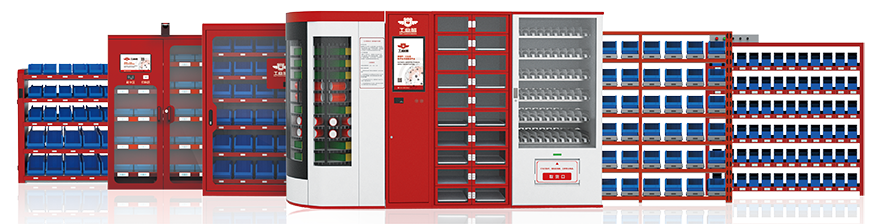
An industrial vending machine is commonly designed around controlled dispensing: a user identifies themselves, selects or accesses an approved item, and the system records the transaction. A smart inventory cabinet can place greater emphasis on continuous inventory visibility, flexible material storage, point-of-use access, automatic quantity updates, and replenishment signals. However, the categories can overlap. Some vending systems include cabinets and lockers, while some smart cabinets provide authentication and controlled access. Buyers should therefore compare the actual workflow and system architecture rather than relying only on product labels.
Smart Cabinet vs Industrial Vending Machine: A Practical Selection Framework
Quick Answer
The practical difference between a smart cabinet and an industrial vending machine is usually the way the system controls and measures material movement. Traditional industrial vending concepts often focus on dispensing a defined item to an authorized user. A smart inventory cabinet can instead use intelligent bins, sensing technology, digital transaction records, and connected software to monitor what remains in the cabinet and support inventory-based replenishment.
For high-frequency fasteners and C-parts, an open smart cabinet can be useful when rapid pickup and inventory visibility matter more than locking every individual withdrawal. For controlled MRO materials, an enclosed cabinet with authentication can provide stronger access control and traceability. A mobile smart inventory configuration can support line-side materials that need to move with production requirements.
The right choice depends on the material rather than the terminology. Buyers should evaluate SKU count, item dimensions, withdrawal frequency, access restrictions, traceability needs, point-of-use location, replenishment workflow, and required enterprise-system integration.
Key Takeaways
-
Industrial vending machines typically emphasize controlled issue or dispensing of selected materials.
-
A smart inventory cabinet can place greater emphasis on real-time inventory visibility, material usage data, and replenishment management.
-
The two categories overlap, so buyers should compare actual functions rather than product names.
-
Open-access smart inventory can be appropriate for high-frequency C-parts that need fast collection.
-
Enclosed smart cabinets are more appropriate when authorization, access records, and material traceability are required.
-
Mobile smart inventory can support production environments where material locations change with the workflow.
-
Neither architecture should be selected without reviewing SKU size, weight, quantity, access control, user count, and replenishment requirements.
-
The best industrial material dispensing system is the one that matches the physical material flow and the required data process.
Table of Contents
-
Start with the operating definitions
-
Compare the two architectures
-
Compare material access and dispensing
-
Compare inventory measurement
-
Match the system to the material type
-
When an open smart cabinet fits
-
When an enclosed cabinet fits
-
When mobile inventory fits
-
Compare software and replenishment workflows
-
Use a selection checklist
-
Frequently asked questions
Start With the Operating Definitions
The term industrial vending machine covers a broad range of equipment. Some systems resemble conventional vending equipment with individual dispensing mechanisms. Others use drawers, lockers, carousels, or controlled compartments. Their common purpose is often to control access to MRO supplies, PPE, tools, or other industrial materials while creating a digital record of the transaction.
A smart inventory cabinet can use a different control philosophy. Instead of requiring the equipment to mechanically dispense one selected unit, the cabinet can monitor the inventory associated with intelligent storage units or compartments. The employee collects the required material, and the system updates the inventory position according to the deployed sensing and transaction architecture.
This difference is important for materials such as nuts, bolts, washers, clips, electrical components, and other high-frequency C-parts. Employees may need multiple pieces in one collection. Forcing every small component through a one-item-at-a-time dispensing mechanism may not match the actual production workflow.
On the other hand, a controlled dispensing approach can make sense when each transaction needs strong authorization or when an individual item's issue history is particularly important.
Smart Cabinet vs Industrial Vending Machine: Core Differences
|
Decision Area
|
Smart Inventory Cabinet
|
Industrial Vending Machine
|
|
Primary operating focus
|
Inventory visibility, material access, transaction data, and replenishment
|
Controlled dispensing or controlled issue
|
|
Typical user interaction
|
Open or authenticated pickup depending on cabinet design
|
User authenticates and selects or accesses an approved item
|
|
Inventory measurement
|
Can use sensing and connected inventory units to update quantities
|
Often derives inventory from dispensing or issue transactions, depending on design
|
|
High-frequency bulk pickup
|
Can be well suited when the architecture supports direct collection
|
Depends on dispensing mechanism and configuration
|
|
Access control
|
Ranges from open access to enclosed authenticated access
|
Commonly designed around controlled user access
|
|
Replenishment
|
Can connect real-time inventory conditions with shortage and refill signals
|
Can generate replenishment information from issue and stock records
|
|
Mobility
|
Mobile configurations can support changing line-side requirements
|
Depends on equipment architecture
|
|
Best selection method
|
Evaluate the actual material flow, access requirement, data model, and replenishment process
|
The table should be used as a functional comparison rather than a universal definition. Industrial vending equipment varies widely, and buyers should verify the configuration of the specific system being evaluated.
Controlled Dispensing Is Not Always the Same as Smart Inventory Control
One of the biggest differences is how the user interacts with the material. An MRO vending workflow often begins with authentication. The employee identifies themselves, selects an item or compartment, and the system creates an issue record.
This model can be valuable when the organization wants to restrict material use by employee, department, shift, work order, or another authorization rule. Tools, PPE, higher-value consumables, and restricted maintenance items can be suitable examples depending on the plant's operating requirements.
However, not every industrial material needs the same level of control. A production worker collecting frequently used washers may need speed more than a multi-step dispensing sequence. In this case, the project should ask whether an open-access smart inventory point can provide sufficient inventory control without adding unnecessary friction to the production process.
The correct question is therefore not, "Which system has more control?" It is, "How much control does this material actually require?"
How Is the Inventory Quantity Updated?
Inventory measurement is a major consideration when comparing a smart cabinet with an industrial vending machine. A dispensing system can know that an item was issued because the dispensing event itself creates the transaction. That can be a direct way to maintain issue history when the physical mechanism controls each withdrawal.
A sensing-based smart inventory cabinet can use the storage unit itself as part of the inventory measurement process. In Bear Bit's NVMI architecture, intelligent inventory equipment is connected with a SaaS platform so material activity can support real-time inventory updates, usage records, shortage information, and replenishment workflows.
This approach can be useful where users need to collect different quantities of C-parts without manually entering every piece. The design objective is to connect physical material movement with digital inventory information while maintaining a practical pickup process.
Buyers should still define how returns, corrections, replenishments, and abnormal transactions are handled. Automatic inventory data is valuable only when the workflow has clear transaction definitions.
Match the Architecture to the Material Profile
The choice between a smart cabinet and a vending-style system should begin with material segmentation. A factory may need more than one storage architecture because high-frequency C-parts, controlled MRO supplies, tools, and line-side materials behave differently.
Useful selection criteria include:
-
SKU count
-
Individual item dimensions
-
Maximum stored weight
-
Typical pickup quantity
-
Pickup frequency
-
Material criticality
-
Whether access must be restricted
-
Whether individual-user traceability is required
-
Whether unused material can be returned
-
Whether the storage point needs to move
-
Supplier replenishment method
-
Required connection to other enterprise systems
A high-frequency fastener can require a very different architecture from a calibrated tool. Using one equipment type for every material category can create unnecessary process complexity.
When an Open Smart Inventory Cabinet Makes Sense
The NVMI-H concept is designed around open material collection. The product documentation describes real-time recording of material retrieval and real-time inventory updates, with application scenarios including warehouse material management, production-line materials, and transit inventory.
This architecture can be considered for standard fasteners, C-parts, small components, and other frequently consumed materials where authorized plant personnel need rapid access and where locking each individual withdrawal is not the main requirement.
Open access does not mean uncontrolled inventory. The distinction is that the control can focus on the inventory quantity and material-flow data rather than requiring a physical lock to govern every pickup.
For manufacturers comparing an industrial vending machine with a smart cabinet, this is an important difference. If the real goal is to monitor repetitive component consumption while keeping material collection fast, an open intelligent inventory model may be more aligned with the process.
When an Enclosed Smart Cabinet Is a Better Fit
Some applications require physical containment and user authentication. The NVMI-D configuration is an enclosed smart inventory design that supports authorization and access monitoring. The product documentation describes authentication options and transaction monitoring intended to help restrict operation to authorized users and retain access information for traceability.
This makes an enclosed architecture relevant to applications where the buyer wants both inventory intelligence and controlled dispensing behavior. Examples may include selected MRO supplies, restricted components, higher-value consumables, tools, or materials that require stronger accountability.
In this scenario, the distinction between a smart cabinet and industrial vending becomes narrower. Both can provide controlled access, so the evaluation should move deeper into the architecture: How is inventory measured? How flexible are compartment sizes? How are returns handled? What user information is recorded? What replenishment information is available?
Buyers can review the NVMI-D enclosed smart inventory configuration when the project requires stronger access control.
When Mobile Smart Inventory Changes the Comparison
Fixed industrial vending equipment is not always positioned where production needs materials most. In manufacturing environments with changing workstations or dynamic line layouts, mobility can become an important selection factor.
NVMI-X is designed as a mobile smart inventory configuration. The product documentation describes its use for changing production processes and line-side material requirements, with inventory information synchronized as part of the intelligent material-management workflow.
A mobile architecture can help when the material point should move closer to the workstation rather than forcing operators to travel repeatedly to a fixed central cabinet. It can also support production layouts that change as different jobs or products move through the facility.
For these applications, comparing only "cabinet versus vending machine" may be too narrow. Buyers should also compare fixed versus mobile material flow.
More information on this architecture is available on the NVMI-X mobile smart inventory page.
The Software Layer Can Be More Important Than the Cabinet Door
Physical storage is only one layer of a digital material-management project. The software and data workflow determine whether inventory information becomes useful for procurement, warehouse management, suppliers, and production teams.
The NVMI smart inventory approach connects equipment with SaaS-based management. Documented functions include inventory monitoring, material usage records, shortage reminders, replenishment records, supplier information, and visual material-status data.
A strong selection process should therefore compare:
-
How current inventory is calculated
-
How material issue information is recorded
-
Whether shortage conditions can be configured
-
How incoming replenishment is recorded
-
Whether suppliers can participate in the replenishment workflow
-
How user permissions are managed where required
-
What transaction history is available
-
What reporting and data-export functions are available
-
Whether required enterprise-system data exchange can be supported
Where ERP, MES, WMS, or supplier-system connectivity is required, the exact interface method, data objects, protocols, authentication, and update frequency should be technically confirmed for the project rather than assumed from a generic system description.
Point-of-Use Inventory vs Centralized Dispensing
Location can also determine which architecture is more effective. An industrial vending machine may work well as a centralized controlled issue point for a defined user group. A smart cabinet can also operate centrally, but open or mobile configurations create additional options for distributing inventory closer to consumption.
Point-of-use inventory can be important when employees repeatedly travel from production areas to a central storeroom for small materials. Moving selected inventory closer to consumption can simplify the physical material route, but decentralized storage also requires better inventory visibility because stock is spread across more locations.
This is where smart inventory data becomes important. The project should be able to identify which SKU is stored at which cabinet or unit and which location requires replenishment.
The correct deployment can therefore be a network of several material points rather than one large centralized dispensing machine.
Do Not Select by Hardware Appearance Alone
Two cabinets can look similar while supporting very different material-management processes. Procurement teams should avoid comparing products only by external dimensions, screen size, or number of doors.
The more important questions concern the operating workflow:
-
Can workers collect the required quantity without unnecessary steps?
-
Does the system know what remains in inventory?
-
Can the buyer distinguish pickup, return, and replenishment activity?
-
Does the selected architecture provide enough access control?
-
Can the storage units accommodate the actual item dimensions and quantities?
-
What happens if consumption changes unexpectedly?
-
How will suppliers or warehouse teams know that replenishment is required?
-
Can the solution fit line-side, warehouse, tool-room, or mobile requirements?
The best architecture is the one that answers these questions with the least unnecessary complexity.
Smart Cabinet vs Industrial Vending Machine Selection Checklist
|
Project Question
|
Selection Implication
|
|
Are materials collected many times per shift?
|
Evaluate rapid-access and open smart inventory workflows.
|
|
Must every user be authenticated?
|
Evaluate enclosed controlled-access equipment.
|
|
Do users take variable quantities of small parts?
|
Evaluate whether sensing-based inventory is more practical than one-at-a-time dispensing.
|
|
Are the materials tools or controlled consumables?
|
Give more weight to authentication and issue traceability.
|
|
Does inventory need to move with production?
|
Evaluate a mobile smart inventory architecture.
|
|
Is supplier replenishment part of the process?
|
Confirm shortage, replenishment, and supplier-data workflows.
|
|
Are many SKUs involved?
|
Review storage density, unit capacity, item dimensions, and data management.
|
|
Is enterprise-system integration required?
|
Define required data objects and interfaces before selecting hardware.
|
Practical Project Requirements to Collect Before an RFQ
-
Complete candidate SKU list
-
Material categories
-
Item dimensions and weight range
-
Typical quantity stored per SKU
-
Pickup frequency
-
Typical pickup quantity
-
Number of users
-
Access-control requirements
-
Traceability fields required
-
Current storage and issue process
-
Available floor space
-
Need for mobile deployment
-
Current shortage and replenishment pain points
-
Supplier replenishment responsibilities
-
Required ERP, MES, WMS, or supplier-system data exchange
-
Target project KPIs
This information allows a supplier to evaluate whether an open smart inventory cabinet, enclosed controlled cabinet, mobile configuration, vending-style system, or mixed architecture is the better fit.
Image and Diagram Suggestions
-
Architecture comparison: Show an open smart cabinet, enclosed controlled cabinet, and conventional dispensing workflow side by side. ALT text: "Smart cabinet vs industrial vending machine architecture for industrial materials."
-
User workflow diagram: Compare direct material pickup with authenticated controlled dispensing. ALT text: "Industrial smart inventory cabinet and MRO vending user workflow comparison."
-
Material selection matrix: Map fasteners, C-parts, PPE, tools, and controlled consumables to different storage architectures. ALT text: "Smart inventory cabinet selection by industrial material type."
-
Digital replenishment loop: Show material pickup, inventory update, shortage signal, supplier or warehouse refill, and replenishment confirmation. ALT text: "NVMI material dispensing and smart replenishment workflow."
Is a Smart Cabinet the Same as an Industrial Vending Machine?
Not necessarily. The categories can overlap, but an industrial vending machine often emphasizes controlled dispensing, while a smart cabinet can emphasize inventory sensing, visibility, flexible storage, and replenishment data. Buyers should compare actual functions rather than terminology.
Which System Is Better for Fasteners and C-Parts?
Frequently consumed fasteners and C-parts can benefit from rapid-access smart inventory when workers need variable quantities and the main goal is maintaining inventory visibility and replenishment control. If individual-user authorization is required, an enclosed controlled configuration may be more appropriate.
Which System Is Better for Tools and High-Value MRO Items?
Materials requiring stronger accountability may benefit from authenticated access and detailed transaction records. The specific choice should reflect material value, criticality, return requirements, user permissions, and the required audit trail.
Can a Smart Cabinet Provide Controlled Dispensing?
Yes, depending on its architecture. An enclosed smart inventory cabinet can combine electronic access control with inventory and usage records. The exact authentication and control functions should be confirmed for the selected configuration.
Can Smart Cabinets Support Automatic Replenishment Signals?
Yes. NVMI documentation describes inventory monitoring and automatic shortage information based on configured stock conditions, with replenishment records captured through the management system. The appropriate replenishment rules should be defined for each customer project.
Should a Factory Use Only One Type of Inventory Cabinet?
Not necessarily. A factory can use open smart inventory for high-frequency C-parts, enclosed cabinets for controlled materials, and mobile inventory for changing production areas. A mixed architecture can better match different material flows than forcing all SKUs into one dispensing method.
References & Sources
-
Bear Bit NVMI product documentation: open material collection, real-time inventory updates, enclosed authorization and monitoring functions, mobile material-management design, shortage reminders, usage records, and replenishment workflows.
-
Bit Bear smart cabinet SEO planning template: Article 11 comparison scope, target buyers, primary and secondary search terms, supported product families, preferred article structure, and project-information CTA.
-
Actual industrial vending functionality varies by equipment design. Authentication methods, dispensing mechanisms, software functions, storage capacity, integrations, and project-specific configurations should be confirmed with the relevant supplier before procurement.
Conclusion: Select the Material Workflow, Not Just the Machine Category
Smart cabinet vs industrial vending machine should be treated as a workflow decision rather than a simple hardware comparison. Industrial vending can be highly effective when controlled issue is the priority. Smart inventory cabinets can be particularly useful when manufacturers need real-time material visibility, flexible access models, replenishment data, or point-of-use inventory for fast-moving components.
For many factories, the correct answer is not one architecture for every material. High-frequency fasteners may require rapid open access, controlled MRO materials may require authenticated cabinets, and changing production areas may benefit from mobile inventory. The physical equipment should follow the material profile and the operational process.
To evaluate the correct architecture for your plant, prepare your SKU count, material categories, item size and weight range, current storage process, pickup frequency, user count, required access control, floor-space constraints, mobility requirements, replenishment workflow, integration scope, deployment locations, and target KPIs. These inputs provide the foundation for selecting a smart inventory architecture that fits the actual industrial material flow.